

Punching Bag for Home & Gym Workout

The demand for home workout equipment has increased rapidly over the past few years. People are now more focused on building strength, improving endurance, and staying fit without depending entirely on commercial gyms. Among all fitness equipment, one tool that stands out for its versatility and effectiveness is the punching bag.
Whether your goal is boxing training, weight loss, stress relief, or building a professional home gym setup, a punching bag can transform your fitness routine. This comprehensive theoretical guide will explain everything you need to know about punching bags — including types, benefits, buying guide, installation, maintenance, workout routines, and SEO-focused long-tail keywords to help this blog rank on search engines.
What is a Punching Bag?

A punching bag is a specially designed cylindrical or shaped training equipment used for boxing, kickboxing, MMA, and general fitness workouts. It allows individuals to practice punches, kicks, and combinations safely without the risk of injuring a training partner.
Punching bags are typically made from leather, synthetic leather, canvas, or PU materials. The inside may be filled with sand, shredded textiles, foam layers, or water depending on the type and purpose.
Types of Punching Bags (Complete Breakdown)
1. Heavy Punching Bag
The heavy bag is the most common and widely used punching bag in gyms and training centers. These bags typically weigh between 40 kg and 100 kg.
Best for:
- Strength training
- Power punching
- Fat burning workouts
- Professional boxing practice
Heavy punching bags are usually suspended from the ceiling using chains and strong mounting hooks. Their weight provides resistance and stability during intense training sessions.
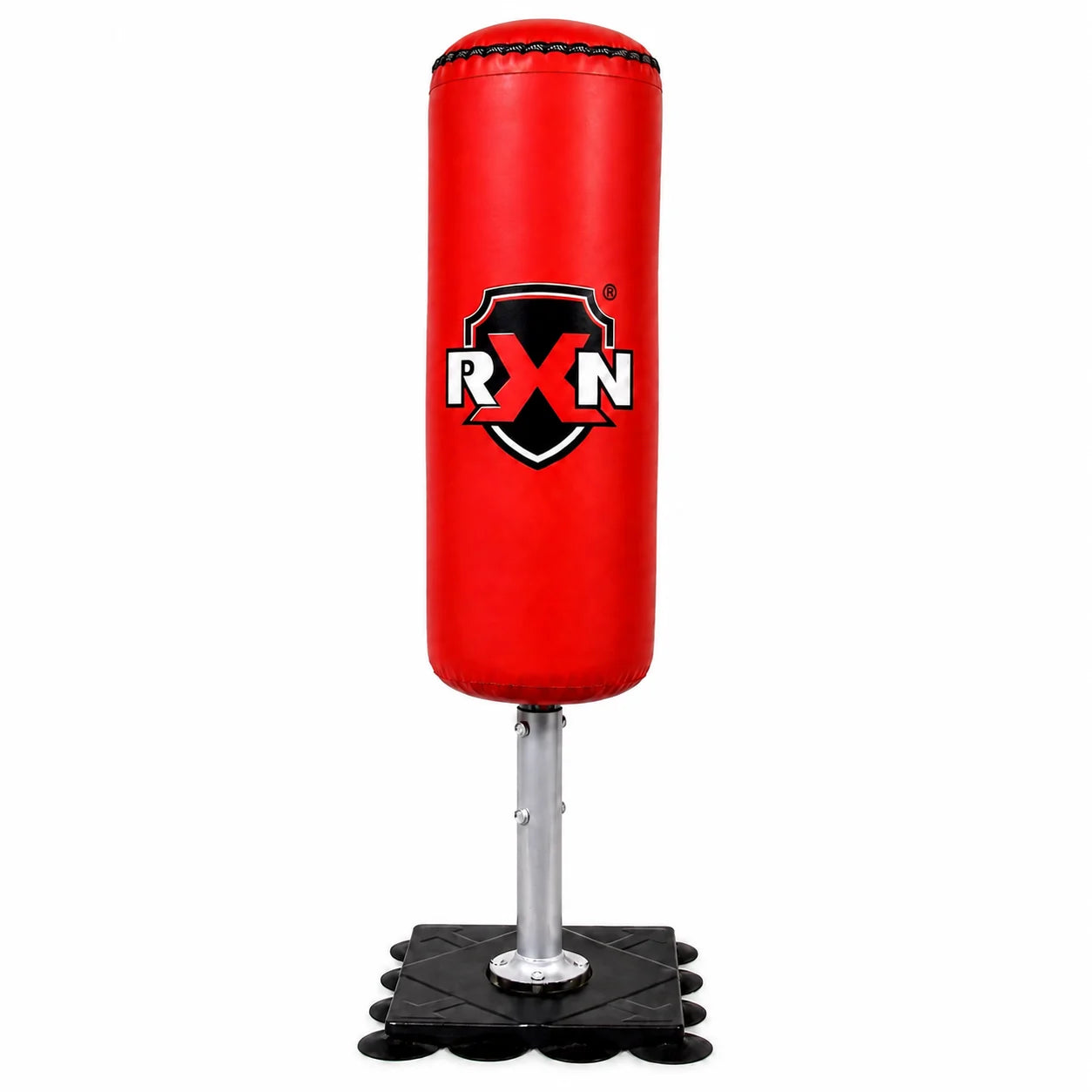
2. Freestanding Punching Bag
Freestanding punching bags come with a base that can be filled with sand or water for stability.
Best for:
- Home use
- Rental apartments
- Beginners
- Easy installation
Since they do not require ceiling drilling, they are ideal for people who want a portable and hassle-free setup.
3. Speed Bag
A speed bag is smaller, lighter, and mounted on a rebound platform.
Best for:
- Improving hand-eye coordination
- Increasing punching speed
- Enhancing rhythm and reflexes
Speed bags are commonly used in professional boxing training programs.
4. Wall-Mounted Punching Bag
Wall-mounted punching bags are compact and fixed to the wall with heavy-duty brackets.
Best for:
- Small home gyms
- Limited space areas
- Apartment setups
They are space-efficient and provide a stable striking surface.
Benefits of Using a Punching Bag
1. Full-Body Workout
A punching bag workout activates multiple muscle groups, including:
- Shoulders
- Arms
- Chest
- Core
- Back
- Legs
It combines strength training with cardio, making it one of the most effective total-body workouts.
2. Weight Loss & Fat Burning
High-intensity punching bag sessions can burn between 400–800 calories per hour, depending on intensity and body weight. This makes it an excellent tool for those searching for a punching bag for weight loss at home.
3. Stress Relief
Punching a bag releases tension and reduces stress levels. The repetitive striking motion can act as a natural stress-relief method and improve mental clarity.
4. Improves Cardiovascular Health
Regular training increases heart rate, improves stamina, and enhances overall cardiovascular endurance.
5. Builds Self-Defense Skills
Practicing combinations on a punching bag helps develop proper striking techniques useful in self-defense scenarios.
Punching Bag for Home Use
1. Weight Selection Guide
Choose a punching bag that weighs approximately half your body weight.
- 40–50 kg: Beginners
- 60–70 kg: Intermediate
- 80 kg and above: Advanced users
2. Material Quality
- Genuine Leather – Highly durable and long-lasting
- Synthetic Leather – Affordable and low maintenance
- Canvas – Budget-friendly option
For long-term use, synthetic or genuine leather is recommended.
3. Filling Type
- Sand-filled – Heavier and stable
- Textile-filled – Softer impact
- Foam-layered – Better shock absorption
4. Space Consideration
Before buying a hanging punching bag, measure ceiling height and ensure adequate space around the bag for movement and footwork.
Punching Bag Workout Routine (Beginner to Advanced)
Beginner Routine (15 Minutes)
- 2 minutes light punches
- 1 minute rest
- 2 minutes jab-cross combinations
- 1 minute rest
- 2 minutes basic kicks
- Repeat for 2–3 rounds.
Intermediate Routine (30 Minutes)
- 3 minutes jab-cross-hook
- 1 minute rest
- 3 minutes power punches
- 1 minute rest
- 3 minutes kick combinations
Advanced Routine (45 Minutes)
- High-intensity interval punching
- Advanced combination drills
- Footwork training
- Defensive movement practice
- Common Mistakes to Avoid
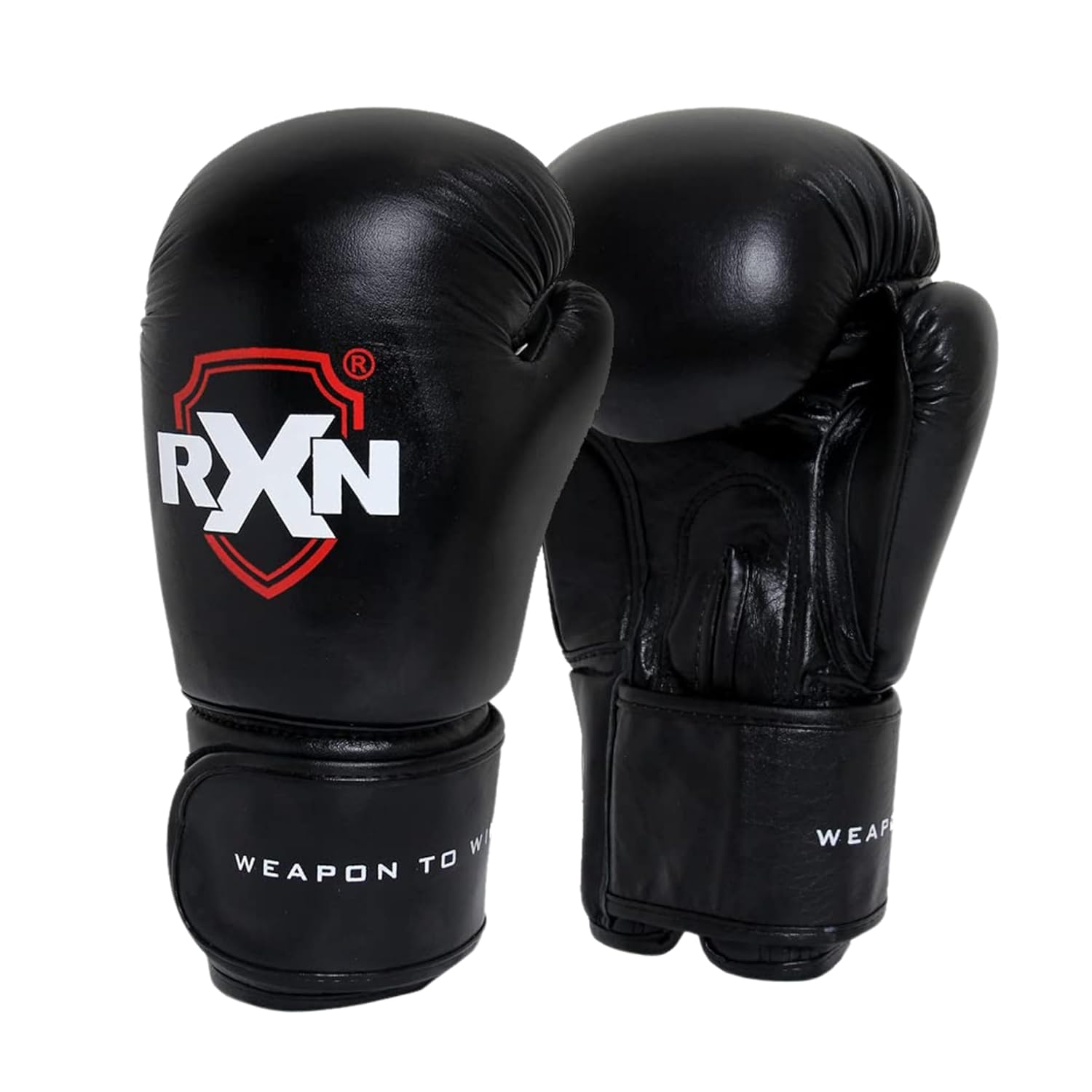
- Punching without gloves
- Skipping wrist wraps
- Using only arms without body rotation
- Overtraining
- Improper installation
Always focus on proper form and controlled movements.
Punching Bag Installation Guide
- Hanging Installation
- Use a heavy-duty ceiling hook
- Drill into a concrete slab
- Use strong chains or straps
- Ensure load-bearing capacity
- Freestanding Setup
- Fill base completely with sand or water
- Place on flat surface
- Use anti-slip mats for stability
Punching Bag Maintenance Tips
- Clean the surface weekly
- Keep away from moisture
- Avoid direct sunlight exposure
- Inspect chains and mounts regularly
Proper maintenance increases the lifespan of your equipment.
Punching Bag for Kids
Lightweight punching bags (10–20 kg) are suitable for kids under supervision. Always ensure proper gloves and safety precautions are used.
If you already own dumbbells, benches, or a home gym station, adding a punching bag provides the cardio element that traditional strength equipment lacks. It enhances endurance, coordination, agility, and mental focus.
Conclusion
A punching bag is not just boxing equipment — it is a complete fitness solution. Whether your goal is weight loss, strength training, stress relief, or skill development, incorporating a punching bag into your home gym can significantly improve your overall performance.
By selecting the best punching bag for home workout, installing it properly, and following a structured routine, you can transform your fitness journey from ordinary to professional-level training at home.
FAQs-Punching Bag
1. Can a punching bag help with weight loss?
Yes, regular high-intensity sessions promote fat burning and calorie expenditure.
2. Which punching bag is best for beginners?
A freestanding punching bag is generally ideal for beginners due to easy installation and stability.
3. How many minutes should I use a punching bag daily?
20–30 minutes is sufficient for beginners. Advanced users can extend to 45 minutes.
4. Does punching bag training build muscle?
Yes, it strengthens shoulders, arms, and core muscles while improving endurance.