


Boxing Gloves: A Complete Guide to Protection, Performance, and Precision
Boxing gloves are most essential equipment in combat sports. Whether you are a beginner stepping into the gym for the first time or an experienced fighter refining your technique, the right pair of gloves can significantly influence your performance, safety, and overall training experience. While they may appear simple at first glance, boxing gloves are carefully engineered tools designed to protect both the wearer and their opponent, while also enhancing the efficiency of punches.
Understanding boxing gloves. It involves recognizing how they function, the materials used, their construction, and how they align with your training goals. In this detailed guide, we will explore everything you need to know about boxing gloves from a theoretical perspective, helping you make informed decisions and improve your training quality.
The Purpose of Boxing Gloves
At the core, boxing gloves serve two primary purposes: protection and performance. In the early days of boxing, fighters often competed with bare fists, which led to frequent injuries such as broken knuckles, cuts, and long-term hand damage. The introduction of gloves transformed the sport, making it safer and more sustainable.
Modern boxing gloves are designed to distribute the force of a punch across a larger surface area. This reduces the impact on specific joints and bones in the hand, particularly the knuckles. At the same time, gloves also protect the opponent by minimizing cuts and reducing the severity of blows.
However, it is important to understand that gloves do not eliminate impact entirely. Instead, they manage and control it. This balance between protection and force transmission is what makes boxing gloves such a critical component in training and competition.
Anatomy of Boxing Gloves
To fully understand boxing gloves, it helps to break down their structure. Each component plays a specific role in performance and safety.
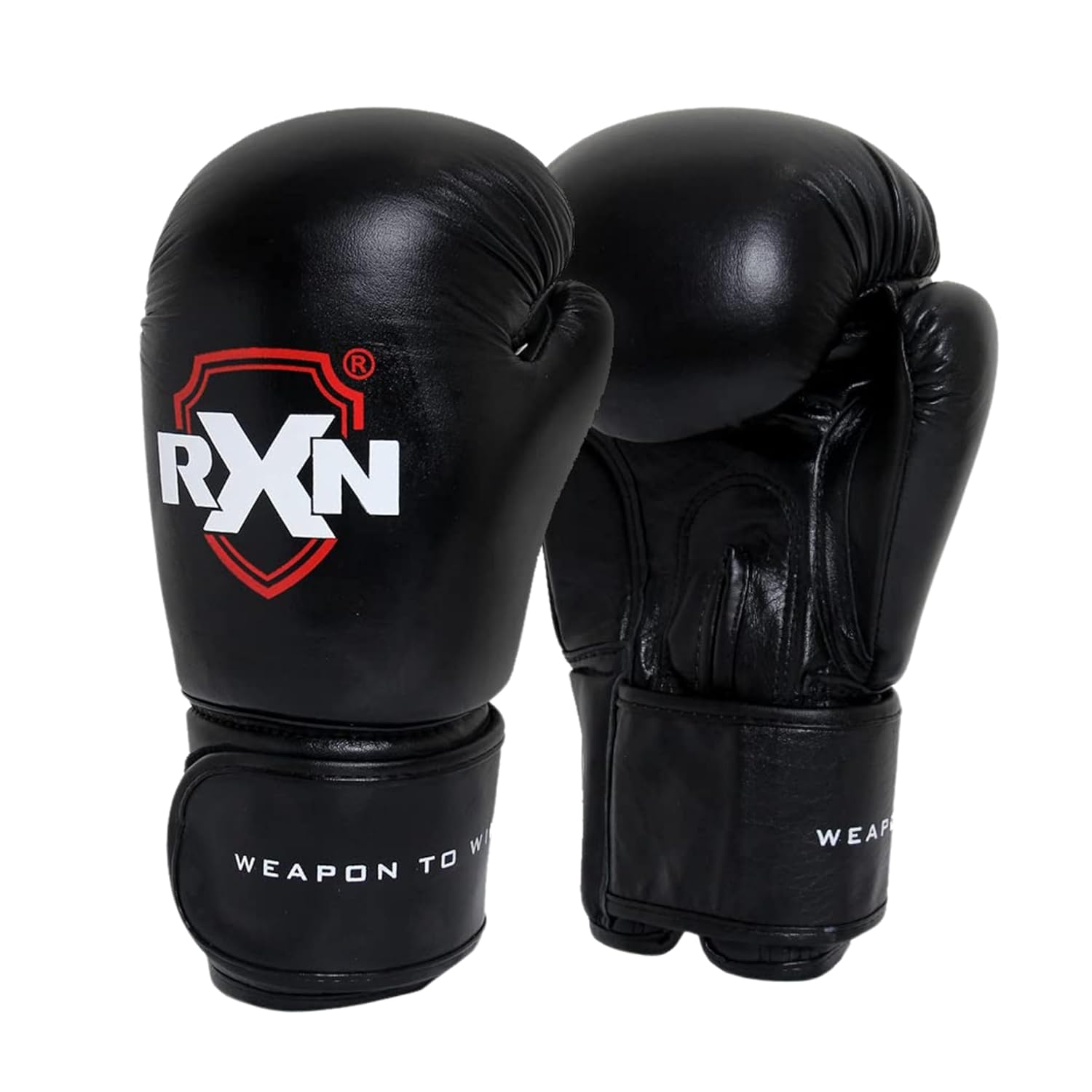
1. The outer layer of boxing gloves is typically made from leather or synthetic materials. Leather gloves are known for their durability, flexibility, and premium feel. Over time, they mold to the shape of the user’s hand, offering a more customized fit. Synthetic gloves, on the other hand, are more affordable and easier to maintain, making them ideal for beginners.
2. Inside the gloves lies the padding, which is arguably the most important part. The padding absorbs and disperses impact. High-quality gloves use multi-layered foam padding, designed to provide both shock absorption and responsiveness. Some gloves are softer, offering more protection, while others are denser, allowing for better feedback and power transfer.
3. The wrist support system is another key element. Velcro gloves are convenient and easy to use, especially for training sessions. Lace-up gloves, often used in professional settings, provide a more secure and snug fit but require assistance to put on.
4. The thumb attachment is also carefully designed to prevent injuries. Most modern gloves feature an attached thumb to reduce the risk of thumb sprains or accidental eye injuries during sparring.
Types of Boxing Gloves
Boxing gloves are not one-size-fits-all. Different types are designed for specific purposes, and using the right type can significantly enhance your training efficiency.
1. Training gloves are the most versatile option. They are designed for general use, including pad work, bag training, and light sparring. These gloves offer a balanced combination of protection and durability, making them suitable for most users.
2. Bag gloves, as the name suggests, are used for hitting heavy bags. These gloves are usually lighter and have denser padding, allowing for better feedback and precision. However, they offer less protection compared to sparring gloves, which is why they are not recommended for partner training.
3. Competition gloves are designed for professional fights. They are lighter, more compact, and engineered to maximize speed and power. While they offer less padding, they are optimized for performance under controlled conditions.
4. Sparring gloves are specifically designed for partner training, with extra padding to minimize the risk of injury during practice. They help ensure both safety and control, allowing fighters to focus on technique without causing unnecessary harm.
Understanding Glove Weight and Size
Boxing gloves are measured in ounces (oz), which indicates their weight rather than their physical size.
Lighter gloves, such as 8 oz or 10 oz, are typically used in competitions. They allow for faster punches and greater impact. Heavier gloves, such as 14 oz or 16 oz, are commonly used for training and sparring. These gloves provide more padding, which helps protect the hands and reduces the risk of injury.
Choosing the right weight depends on several factors, including your body weight, training purpose, and personal preference. For example, heavier individuals or those focusing on sparring should opt for heavier gloves, while lighter individuals or those focusing on speed training may prefer lighter options.
Material and Durability
The material of boxing gloves plays a significant role in their durability and performance. Leather gloves are often considered the gold standard due to their longevity and comfort.
Synthetic gloves, while less durable, offer a cost-effective alternative. They are ideal for beginners or those who train occasionally. Advances in material technology have improved the quality of synthetic gloves, making them more reliable than ever before.
Durability is also influenced by how well the gloves are maintained. Proper care, such as drying them after use and storing them in a ventilated area, can significantly extend their lifespan.
The Importance of Wrist Support
Wrist injuries are common in boxing, especially among beginners who may not have developed proper technique. Boxing gloves are designed to stabilize the wrist and prevent excessive movement during punches.
A well-designed wrist support system ensures that the hand and wrist remain aligned, reducing the risk of sprains and fractures. This is particularly important when delivering powerful punches, as improper alignment can lead to serious injuries.
Velcro straps provide quick and adjustable support, making them suitable for everyday training. Lace-up gloves offer a more secure fit, distributing pressure evenly around the wrist. Both options have their advantages, and the choice ultimately depends on your training needs.
Comfort and Fit
Comfort is a crucial factor when choosing boxing gloves. A poorly fitting glove can lead to discomfort, reduced performance, and even injuries. The glove should fit snugly without being too tight, allowing for proper hand movement while maintaining stability.
The inner lining of the glove also contributes to comfort. High-quality gloves often feature moisture-wicking linings that help keep the hands dry and reduce odor. Breathability is important, especially during long training sessions.
Hand wraps are commonly used in conjunction with boxing gloves. They provide an additional layer of support and protection, helping to secure the hand structure and absorb sweat.
How Boxing Gloves Affect Performance
Boxing gloves are not just protective gear; they also influence performance. The weight, padding, and fit of the gloves can affect speed, power, and endurance.
Heavier gloves can improve endurance by adding resistance to your punches. Training with heavier gloves can make lighter gloves feel faster during competition. On the other hand, lighter gloves allow for quicker movements and more precise strikes.
The padding also affects how punches feel. Softer gloves may reduce the perceived impact, while denser gloves provide more feedback. This can influence how you adjust your technique and develop your skills over time.
Choosing the Right Gloves for Your Needs
Selecting the right boxing gloves requires a clear understanding of your training goals. If you are a beginner, it is advisable to start with versatile training gloves that offer a balance of protection and durability. As you progress, you can explore specialized gloves tailored to specific activities such as sparring or bag work.
Your choice should also consider factors such as frequency of use, budget, and personal preferences. Investing in a good pair of gloves can enhance your training experience and reduce the risk of injuries.
Maintenance and Care
Proper maintenance is essential to keep your boxing gloves in good condition. After each use, it is important to air them out to prevent moisture buildup. Sweat can lead to unpleasant odors and bacterial growth, which can degrade the materials over time.
Using glove deodorizers or inserts can help maintain freshness. Cleaning the outer surface with a damp cloth and mild disinfectant can also prolong the life of the gloves. Avoid leaving them in closed spaces such as gym bags for extended periods.
Conclusion
Boxing gloves are far more than just a basic piece of equipment. They are a carefully designed tool that plays a vital role in both safety and performance. From their construction and materials to their weight and fit, every aspect of boxing gloves is engineered to enhance the boxing experience.
Understanding these elements allows you to make informed choices and optimize your training. Whether you are practicing on a heavy bag, sparring with a partner, or preparing for competition, the right pair of boxing gloves can make a significant difference.
Investing in quality gloves and maintaining them properly ensures that you not only perform at your best but also protect your hands for the long term. In a sport where precision, power, and protection are equally important, boxing gloves stand as a fundamental component that supports every punch you throw.
FAQ - Boxing gloves
1. What size boxing gloves should I use?
The size of boxing gloves depends on your body weight and training purpose. Generally, lighter gloves (8–10 oz) are used for competitions, while heavier gloves (12–16 oz) are preferred for training and sparring as they provide more protection and cushioning.
2. Are expensive boxing gloves better than cheap ones?
Expensive boxing gloves are usually made from higher-quality materials like genuine leather and offer better durability, comfort, and protection. However, beginners can start with affordable gloves and upgrade as their training intensity increases.
3. Can I use the same gloves for bag work and sparring?
While it is possible, it is not recommended. Bag gloves are designed for impact and durability, whereas sparring gloves have softer padding for safety. Using separate gloves helps extend their lifespan and reduces injury risk.
4. How long do boxing gloves last?
The lifespan of boxing gloves depends on usage and maintenance. With regular training (3–4 times a week), gloves typically last 6 months to 1 year. Proper care, such as drying them after use, can increase their durability.
5. Do I need hand wraps with boxing gloves?
Yes, hand wraps are highly recommended. They provide additional support to your wrists and knuckles, reduce the risk of injury, and help absorb sweat, keeping your gloves cleaner and more hygienic.



1 comment
Great breakdown! As a beginner, understanding the difference in padding and oz sizes between bag gloves and sparring gloves was a huge help in picking the right gear. Protecting your hands and wrists is just as essential in combat sports as core support is during heavy strength sessions.
Just like investing in a quality lifting belt is crucial for stability during heavy squats, getting the right glove weight makes all the difference for wrist safety in the ring. I’ve been using a powerlifting belt by USI Universal for my heavy strength training alongside my boxing sessions, and prioritizing proper gear support across both disciplines has been a game-changer! Looking forward to more beginner guides from RXN.https://usiuniversal.com/collections/lifting-belts-aids