

Punching Ball for Boxing: Improve Speed, Reflex & Coordination

If you want faster hands, sharper reflexes, and better punch timing, the punching ball is one of the smartest tools you can add to your training routine. Unlike heavy bags that focus mainly on power, a punching ball trains your brain and body to work together — improving coordination, rhythm, and reaction speed.
Today, punching balls are widely used not only by boxers but also by fitness enthusiasts who want an intense, space-saving home workout. In this detailed guide, you’ll understand how punching balls work, why they’re effective, and how to use them correctly for maximum results.
What is a Punching Ball?
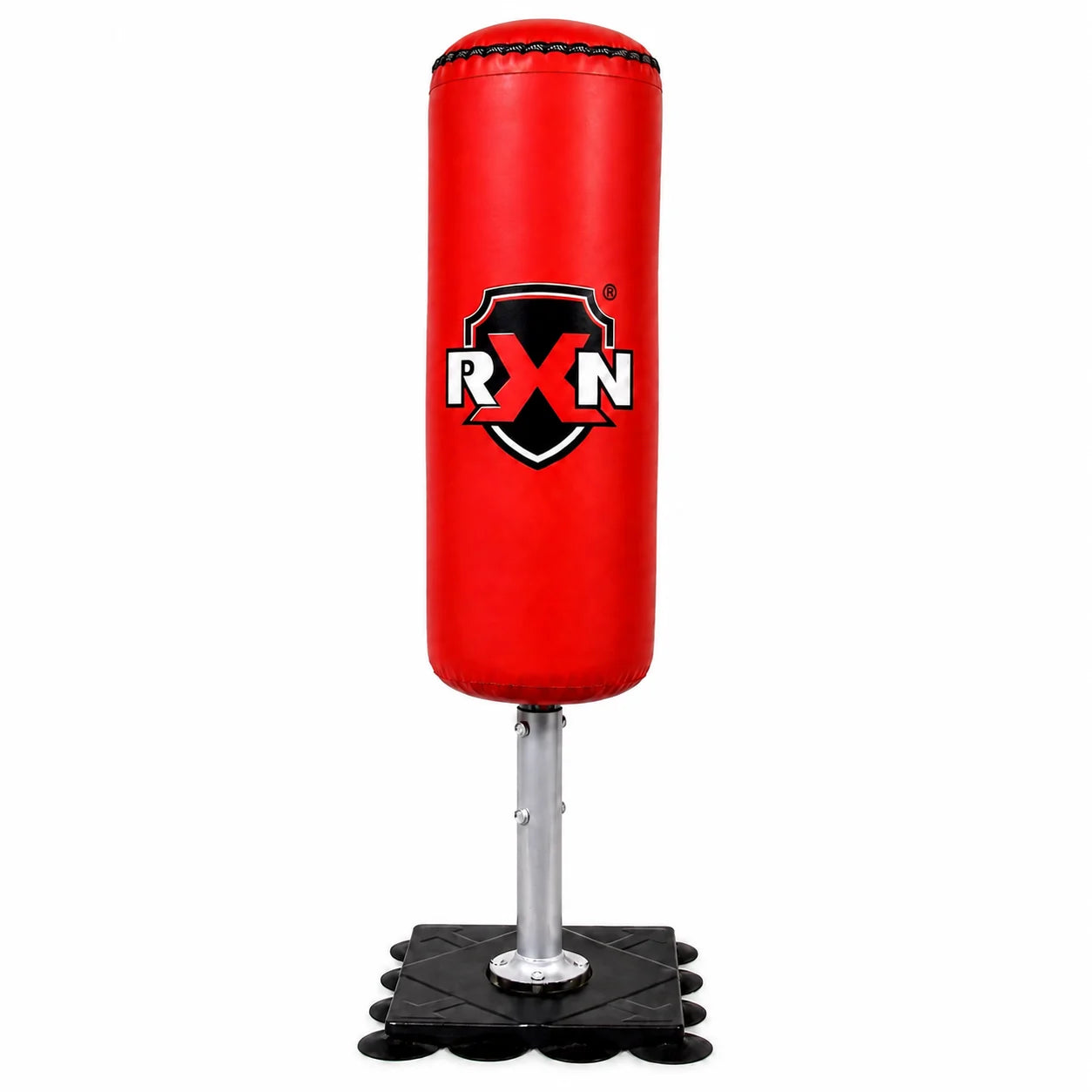
A punching ball (also called a reflex punching ball or free-standing speed ball) is a spring-mounted striking target that rebounds quickly after being hit. The fast return motion forces the user to react instantly, making it an excellent tool for speed and coordination training.

Most modern punching balls come with:
- An adjustable height pole
- A strong spring mechanism
- A water or sand-fillable base
- A compact, home-friendly design
Important: A punching ball is designed for speed and reflex training — not for heavy power punches.
Why Punching Ball Training Works So Well
Many beginners underestimate the punching ball because it looks simple. But from a training science perspective, it’s extremely effective.
When you hit the ball:
- Your fist transfers energy to the ball
- The spring compresses and stores elastic energy
- The ball snaps back quickly
- Your brain must track and react instantly
This creates a continuous reaction loop that improves neuromuscular coordination — a key skill in boxing and combat sports.
Over time, your body becomes faster, more accurate, and more efficient.
Major Benefits of Using a Punching Ball
1. Builds Lightning-Fast Hand Speed
Because the ball rebounds quickly, you naturally learn to throw faster punches. Regular training helps your muscles and nervous system adapt to higher speed output.
This is why many athletes search for a punching ball for speed training.
2. Improves Hand–Eye Coordination
The moving target forces your eyes and hands to stay synchronized. With consistent practice, you’ll notice:
- Better punch timing
- Improved accuracy
- Smoother combinations
- Less wasted movement
3. Sharpens Reflexes and Reaction Time
In real boxing, your opponent hits back. The punching ball mimics this by returning toward you quickly.
- Training benefits include:
- Faster defensive reactions
- Better head movement
- Improved counter-punch timing
This makes the punching ball an excellent boxing reflex trainer.
4. Provides an Intense Cardio Workout
Don’t be fooled by the size — a fast punching ball session can spike your heart rate quickly.
Just 10–15 minutes can help with:
- Fat burning
- Stamina building
- HIIT-style conditioning
- Endurance improvement
It’s perfect for people looking for a home boxing cardio workout.
5. Ideal for Home Gym Users
One of the biggest reasons behind the popularity of free-standing punching balls is convenience.
Compared to heavy bags, they:
- Take less space
- Require no wall drilling
- Are easy to move
- Are beginner-friendly
- Produce less noise
This makes them one of the best punching balls for home gym setups.
6. Enhances Punch Accuracy
Because the target is smaller and constantly moving, you automatically learn precision.
Over time, you’ll develop:
- Cleaner jabs
- Better distance control
- More efficient combinations
- Improved striking confidence
Types of Punching Balls Explained
Choosing the right type depends on your training goal.
1. Free-Standing Punching Ball
This is the most popular option for home users.
Best for: Beginners, home workouts, general fitness
Key features:
- Weighted base
- Adjustable height
- Spring-loaded rebound
- Easy setup
2. Double-End Reflex Ball
This version is attached between the floor and ceiling with elastic cords.
Best for: Intermediate and advanced boxers
Advantages:
- Faster rebound
- More realistic movement
- Better rhythm development
3. Headband Reflex Ball
A small ball attached to your head via elastic string.
Best for: Reaction drills and portable training
Limitations: Less realistic than standing models.
Correct Punching Ball Technique
Using the punching ball incorrectly reduces its benefits. Follow these fundamentals.
Maintain Proper Boxing Stance
Keep:
- Feet shoulder-width apart
- Lead foot forward
- Hands up in guard
- Chin tucked
Pro tip: Stay light on your feet.
Start With the Jab
Beginners should master the jab first.
Why?
- Builds rhythm
- Improves timing
- Develops accuracy
Basic drill:
Jab → ball returns → slight slip → jab again
Focus on Rhythm, Not Power
This is the biggest mistake people make.
- Wrong mindset: Hit as hard as possible
- Correct mindset: Hit fast and controlled
Think of it like playing drums — smooth and rhythmic.
Add Defensive Movement
Once comfortable, include:
- Slips
- Ducks
- Small steps
- Counters
This makes your training more fight-realistic.
Gradually Increase Speed
Progression should be:
- Slow and controlled
- Medium rhythm
- High-speed combinations
Rushing too early breaks technique.
Sample Punching Ball Workout Plan
Beginner (10 Minutes)
- 2 min jab only
- 1 min rest
- 2 min jab-cross
- 1 min rest
- 2 min freestyle punches
- 2 min light movement
Intermediate (15 Minutes)
- 3 min fast jabs
- 3 min jab-cross combos
- 3 min slip + counter
- 3 min freestyle
- 3 min speed round
Advanced (20 Minutes)
- High-speed intervals
- Combination drills
- Defensive movement
- Footwork integration
- Reaction bursts
Common Mistakes to Avoid
Avoiding these will speed up your progress.
Punching too hard — ruins rhythm
Standing flat-footed — reduces agility
Dropping your guard — builds bad habits
Wrong height setup — affects accuracy
Only using arms — involve your whole body
How to Choose the Best Punching Ball
If you’re planning to buy one, pay attention to these factors.
Build Quality
Look for:
- Durable PU leather or synthetic ball
- Strong steel spring
- Solid base material
Height Adjustability
Ideal if multiple users will train.
Recommended adjustable range:
- Around 120–160 cm
Base Stability
The base should support:
- Water filling
- Sand filling
- Anti-slip bottom
Heavier base = better performance.
Spring Responsiveness
A good punching ball should:
- Snap back quickly4
- Move smoothly
- Not wobble excessively
Final Verdict: Is a Punching Ball Worth It?
Absolutely. If your goal is to improve speed, reflexes, coordination, and overall boxing sharpness, a punching ball is one of the most efficient and space-friendly training tools available.
It may look simple, but consistent training delivers serious performance improvements. Whether you're a beginner starting your boxing journey or an athlete refining your skills, adding punching ball workouts to your routine can make a noticeable difference.
Train smart, stay consistent, and focus on rhythm — the speed will come naturally.
FAQs-Punching Ball
1. What is a punching ball used for?
A punching ball is used to improve hand speed, reflexes, coordination, and punch timing. It rebounds quickly after being hit, helping boxers and fitness enthusiasts develop rhythm and accuracy during training.
2. Is a punching ball good for beginners?
Yes, a punching ball is excellent for beginners because it is easy to use, requires less space, and helps build basic boxing skills like hand-eye coordination and timing without needing heavy punching power.
3. How high should a punching ball be adjusted?
The punching ball should be set so the center of the ball is at your eye or nose level. Proper height ensures better punch accuracy, smoother rhythm, and safer training posture.
4. Can punching ball training help with weight loss?
Yes, punching ball workouts can support weight loss by providing a fast-paced cardio session that burns calories and increases heart rate. Regular training combined with a healthy diet can improve fat loss and fitness.
5. What is the difference between a punching ball and a heavy bag?
A punching ball is designed for speed, reflex, and coordination training, while a heavy bag is meant for building punching power and strength. Punching balls rebound quickly, whereas heavy bags absorb impact and move slowly.