

Punching Bag Buying Guide: The Truth About Pre-Filled vs Unfilled Bag
When it comes to boxing, kickboxing, or general fitness training, a Punching bag is one of the most essential pieces of equipment you can own. Whether you are a beginner starting your fitness journey or an advanced fighter building power and endurance, the type of Punching bag you choose can significantly impact your results.

One of the most common dilemmas buyers face is choosing between a pre-filled Punching bag and an unfilled Punching bag. At first glance, the difference might seem simple—one comes ready to use, while the other needs to be filled. However, the reality is much deeper.
What is a Punching Bag?
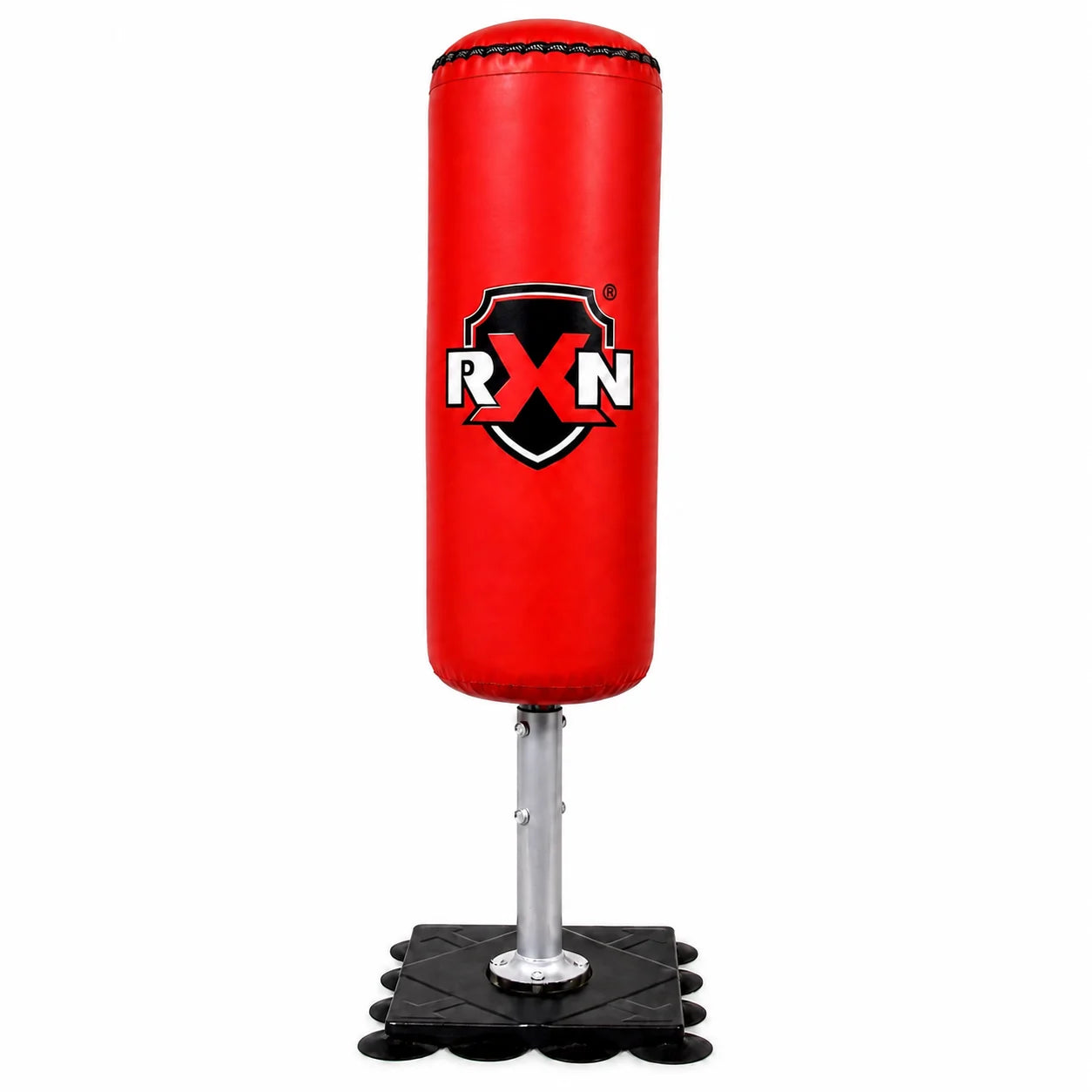
A Punching bag is training tool designed to absorb repeated punches, kicks, and strikes. It is widely used in combat sports like boxing, Muay Thai, and MMA, as well as for general fitness and stress relief.
Materials filled in Heavy bags such as:
- Sand
- Shredded textiles
- Foam
- Water
- Rubber
The filling determines how the bag feels, how much it weighs, and how it responds to impact.
What is a Pre-Filled Punching Bag?

A pre-filled Punching bag comes fully packed from the manufacturer and is ready to use immediately after installation.
Most high-quality pre-filled bags use layered materials such as compressed textiles and foam to ensure consistent density and durability.
Key Features of Pre-Filled Bags
- Ready-to-use out of the box
- Even weight distribution
- Professionally packed for durability
- Typically heavier (60–80 kg range)
What is an Unfilled Punching Bag?

An unfilled Punching bag (also called an empty bag) is sold as a shell without any internal material. You need to fill it yourself using materials of your choice.
Popular filling materials include:
- Old clothes or rags
- Sandbags
- Foam
- Sawdust
- Water bladders
One of the biggest advantages is customization—you control the weight, density, and feel of the bag.
Pre-Filled vs Unfilled Punching Bags: Key Differences
1. Convenience
Pre-Filled Bag
- No setup required
- Just hang and start training
- Perfect for beginners
Unfilled Bag
- Requires time and effort to fill
- Needs proper technique to avoid uneven density
If you want a plug-and-play experience, pre-filled wins.
2. Cost Comparison
Pre-Filled Bags
- Higher initial cost
- Expensive shipping due to weight
Unfilled Bags
- Cheaper to purchase
- Lower shipping cost
- Filling materials may add extra cost
Unfilled bags are generally more budget-friendly because you save on shipping and can use low-cost materials like old clothes.
3. Customization & Control
This is where unfilled bags dominate.
Pre-Filled
- Fixed density and weight
- No customization
Unfilled
- Fully customizable
- Adjust hardness and weight
- Mix materials for better performance
For example:
- Soft bag → foam + clothes
- Hard bag → sand + textiles
You can even adjust it later as your training level improves.
4. Training Feel & Performance
The “feel” of the bag is extremely important for training.
Pre-Filled Bags
- Consistent and balanced
- Designed for optimal striking feedback
- Ideal for gyms and serious training
Unfilled Bags
- Depends on how well you fill it
- Can become uneven over time
- Requires proper packing technique
A poorly filled bag may develop hard spots or dents, affecting performance.
5. Weight & Stability
Pre-Filled
- Heavier and more stable
- Less swinging during strikes
- Better for power training
Unfilled
- Weight depends on filling
- May swing more if not filled properly
Heavier bags are generally better for building strength and impact power.
6. Portability
Pre-Filled Bags
- Very heavy
- Difficult to move
Unfilled Bags
- Lightweight before filling
- Easy to transport
- Ideal for home setups
This makes unfilled bags perfect for people who move frequently.
7. Shipping & Logistics
Shipping is a major factor many buyers ignore.
Pre-Filled Bags
- Expensive shipping
- Bulky and heavy
Unfilled Bags
- Cheap shipping
- Compact packaging
This is one of the biggest reasons why many buyers prefer unfilled bags for online purchases.
8. Durability & Longevity
Pre-Filled Bags
- Professionally packed
- Longer lifespan
- Maintains shape better
Unfilled Bags
- Depends on filling quality
- May settle unevenly over time
- Needs occasional adjustment
9. Safety & Injury Risk
Filling type of heavy bag
- Soft filling (foam, cloth) → beginner-friendly
- Hard filling (sand) → more impact, higher injury risk
Sand-filled bags provide more resistance but can strain joints and knuckles.
Pros and Cons Summary
Pre-Filled Punching Bag
Pros
- Ready to use
- Consistent feel
- Professional quality
- Durable
Cons
- Expensive
- Heavy shipping cost
- No customization
Unfilled Punching Bag
Pros
- Budget-friendly
- Customizable
- Easy to transport
- Adjustable weight
Cons
- Time-consuming setup
- Requires knowledge
- May become uneven
Which Bag is Best for Beginners?
If you are just starting out, a pre-filled Punching bag is usually the better choice.
Why?
- No setup confusion
- Balanced feel
- Safer for learning technique
However, if you are on a tight budget, an unfilled bag with soft materials (like clothes or foam) is also a good option.
Which Punching Bag is Best for Advanced Users?
Advanced users often prefer unfilled bags because they can:
- Adjust hardness
- Increase weight over time
- Customize for specific training styles
For example:
- Boxing → medium density
- Muay Thai → heavier and harder bag
Best Filling Materials for Unfilled Bags
Here are some popular options:
1. Old Clothes
- Cheap and eco-friendly
- Soft impact
- Ideal for beginners
2. Sand
- Heavy and dense
- Best for power training
- Can be harsh on joints
3. Foam
- Soft and safe
- Good for cardio workouts
4. Water
- Adjustable weight
- Realistic feel
- Easy to manage
Water-filled bags are softer and easier on joints, making them beginner-friendly.
How to Choose the Right Punching Bag for You
Before making a decision, ask yourself these questions:
1. What is your goal?
- Fitness → lighter, softer bag
- Power training → heavier, denser bag
2. What is your budget?
- Low budget → unfilled
- High budget → pre-filled
3. Do you want convenience or customization?
- Convenience → pre-filled
- Customization → unfilled
4. Do you have space?
- Small space → lighter/unfilled bag
- Large gym → heavy pre-filled bag
Final Verdict: Pre-Filled vs Unfilled
Both options have their strengths, and the “best” choice depends entirely on your needs.
- Beginners → Pre-filled bag
- Budget buyers → Unfilled bag
- Advanced athletes → Unfilled (customized)
- Home gym users → Depends on space and budget
In short:
- Pre-filled = Easy & Professional
- Unfilled = Flexible & Affordable
Conclusion
Choosing between a pre-filled and unfilled Punching bag is not just about price, it’s about your training goals, experience level, and convenience.
A pre-filled Punching bag gives you a hassle-free, gym-quality experience right out of the box. On the other hand, an unfilled bag offers unmatched customization and cost savings, making it a smart choice for those who are willing to put in a little extra effort.
Take your time, evaluate your needs, and invest in the option that aligns with your fitness journey. Because the right heavy bag doesn’t just improve your workout—it transforms it
FAQ- Punching bag
1. Which is better: pre-filled or unfilled Punching bag?
A pre-filled heavy bag is better for beginners and those who want a ready-to-use option with consistent performance. An unfilled heavy bag is better for advanced users who want customization in weight and density.
2. Is an unfilled Punching bag cheaper than a pre-filled one?
Yes, unfilled heavy bags are usually more affordable because they have lower product and shipping costs. However, you may need to spend extra on filling materials.
3. What is the best material to fill a Punching bag?
The best filling is a combination of old clothes, foam, and small sandbags. This provides a balanced feel—soft on the outside and dense inside for better impact.
4. Can beginners use an unfilled Punching bag?
Yes, beginners can use an unfilled heavy bag, but it must be filled properly with soft materials to avoid injury. A poorly filled bag can cause uneven impact and discomfort.
5. How heavy should a punching bag be for home use?
A general rule is that a heavy bag should weigh around 40–50% of your body weight. Beginners can start lighter, while advanced users may prefer heavier bags for power training.